

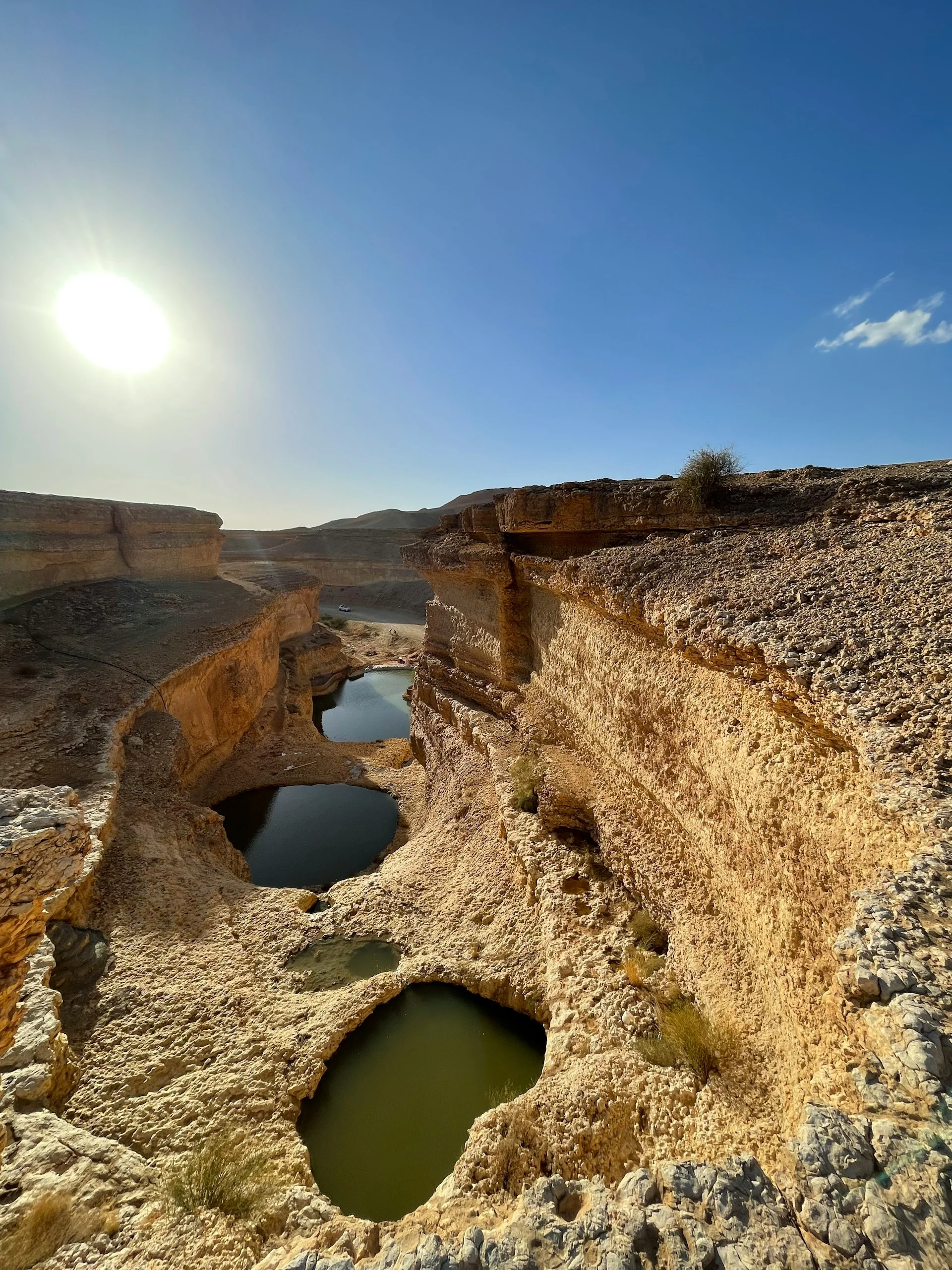
Saudia Arabia- Taking a noteworthy step in combating water scarcity, the Saudi Water Partnership Company (SWPC) is undertaking the ambitious Six Independent Strategic Water Reservoir (ISWR) Programme. This forward-thinking initiative seeks to build six autonomous strategic water reservoirs in diverse regions of the Kingdom, collectively showcasing a substantial total capacity of nearly 20 million cubic meters of water.
The strategic goal of the ISWR Programme is to bolster water storage capabilities, ensuring a reserve equivalent to 7 days of water demand by the year 2030. The program’s design also emphasizes the enhancement of storage capabilities to effectively manage peak water demand, particularly during the Hajj season, a critical period of heightened water usage.
Among the six projects under this groundbreaking program, the ISWR Jeddah water PPP project stands out. Focused on Jeddah, this project aims to develop a water reservoir with an impressive capacity of 5,000,000 cubic meters, leveraging the innovative Public-Private Partnership (PPP) model. Notably, this venture is anticipated to generate up to 600 jobs throughout its life cycle, contributing to both economic development and water infrastructure advancement.
The financial dimensions of the ISWR Jeddah water PPP project are substantial, with an estimated investment size ranging between SAR 2.4 billion to SAR 2.8 billion. The funding structure involves a mix of equity and debt, with the debt component operating on a limited or non-recourse basis. The attractiveness of the project to international lenders further underscores its significance and potential impact on the water sector.
To ensure environmental sustainability, developers involved in the ISWR Jeddah water PPP project are mandated to comply with local environmental regulations. A detailed environmental impact study is slated to precede project execution, underscoring a commitment to responsible and eco-friendly infrastructure development.
The broader context of water scarcity in Saudi Arabia adds weight to the importance of initiatives like the ISWR Programme. With limited natural water resources and a growing demand driven by population growth and climate change, the Kingdom has proactively invested in various water-related projects. These include seawater desalination, water distribution, sewerage, and wastewater treatment.
Currently, approximately 50% of drinking water in Saudi Arabia is sourced from desalination, 40% from non-renewable groundwater mining, and only 10% from surface water in the mountainous southwest of the country. Despite these efforts, challenges persist, particularly in terms of service quality, such as continuity of water supply.
The government’s approach to addressing water challenges has involved increased collaboration with the private sector. Since 2000, there has been a growing reliance on private companies to operate water and sanitation infrastructure. The establishment of the National Water Company (NWC) in 2008 further exemplifies this trend, with its role gradually delegated to private entities operating in urban water distribution systems.
In 2016, the government implemented the first water and sewer tariff increase in over a decade, resulting in public discontent and the dismissal of the Minister of Water and Energy. The government’s practice of purchasing desalinated water from private operators at premium prices and reselling bulk water without charge has been a subject of discussion. Additionally, it fully subsidizes investments in water distribution and sewer systems, highlighting the government’s commitment to addressing water-related challenges.
As Saudi Arabia continues to navigate its water landscape, the ISWR Programme emerges as a pivotal initiative, promising not only to enhance water storage capabilities but also to fortify the water sector’s resilience and responsiveness to emergencies and disruptions. With a strategic focus on sustainable development and public-private collaboration, this program represents a significant step towards securing a water-abundant future for the Kingdom.
