

USA- In recent years, the world has been experiencing more extreme weather events, and climate change is making these occurrences more frequent and severe. Events like the wildfires in Australia, droughts in Somalia, and floods in Pakistan are becoming increasingly common due to the warming climate. Scientists have confirmed that human activities, particularly the burning of fossil fuels, are the main drivers behind this intensification of extreme weather. These changes in the climate are not just isolated incidents; they are part of a broader, more dangerous trend that will continue unless we take decisive action.
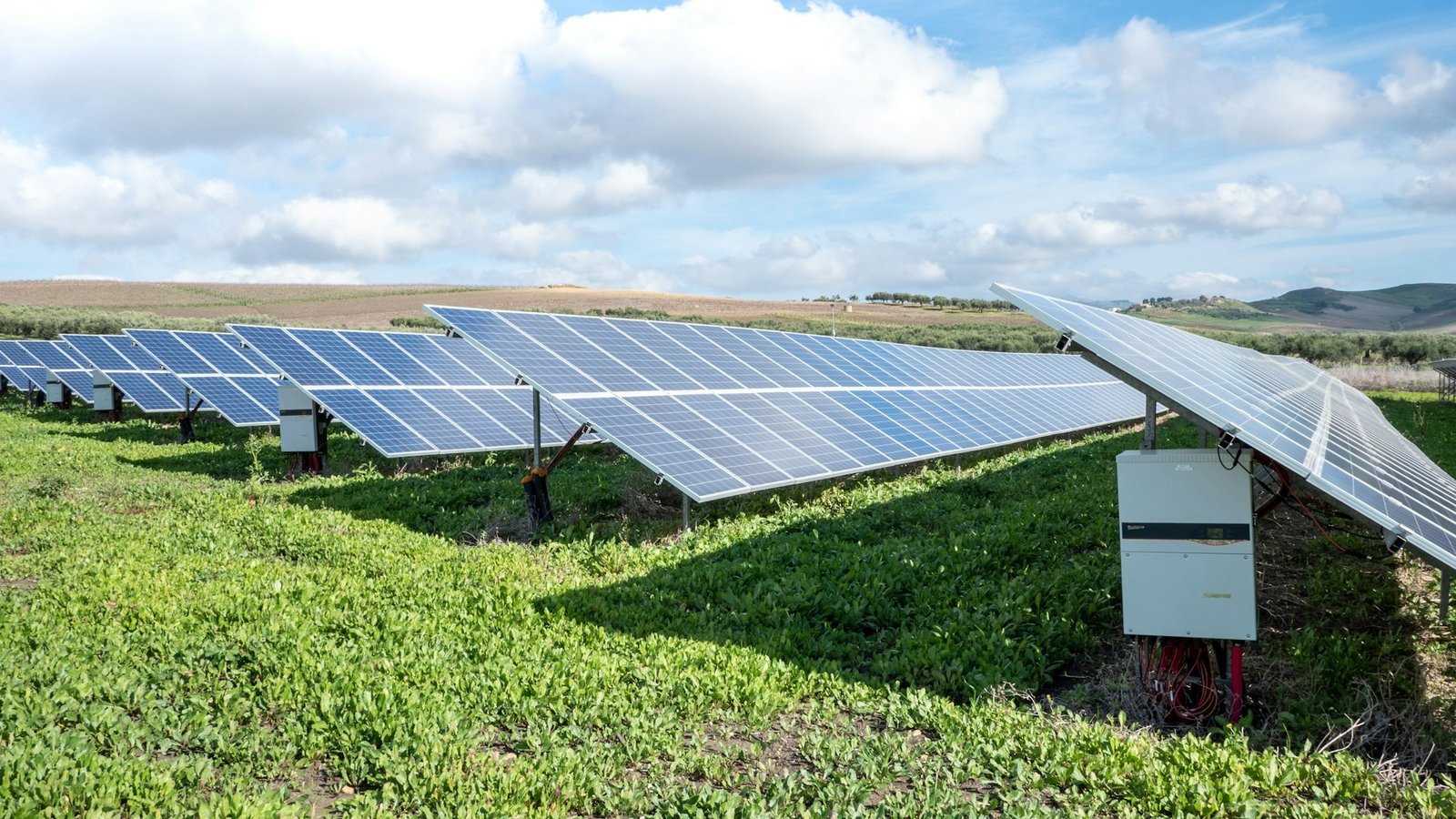
The private sector is now faced with the challenge of addressing what is known as the “energy trilemma”—balancing energy security, affordability, and sustainability. Transitioning from fossil fuels to renewable energy sources is crucial, but it’s not without its challenges. For instance, renewable energy sources like wind and solar power are intermittent—solar panels are ineffective at night, and wind turbines need wind to generate electricity. However, advancements in energy storage and smart grid technologies can help overcome these limitations, ensuring a more reliable and sustainable energy supply.
Germany’s example shows how smart grid technology can effectively manage the variability of renewable energy sources, making it possible to meet energy demands even during extreme weather conditions. This underscores the importance of coordinated investments in research and development by both the public and private sectors. By investing in these areas, we can smooth the transition to a more sustainable energy future.
The energy industry, especially those involved in carbon-intensive activities, has a significant role to play in this transition. Companies like Equinor in Norway are leveraging their expertise to develop hydrogen power plants and offshore wind farms, showing that the industry can be part of the solution rather than the problem. Moreover, Scotland’s renewable energy sector has grown significantly, creating thousands of jobs and providing new opportunities for workers transitioning from the fossil fuel industry.
Public-private partnerships are essential in driving this transition forward. These collaborations allow governments and companies to work together effectively, making renewable energy more accessible and affordable for everyone. Initiatives like California’s Cap-and-Trade program and the European Battery Alliance demonstrate how these partnerships can accelerate innovation and reduce costs, paving the way for a more sustainable future.
The shift towards electric vehicles (EVs) is another area where renewable energy can have a transformative impact. A widespread switch to EVs would require significant investment in infrastructure and workforce development, creating a ripple effect that could drive broader change. Governments can support this transition by providing clear policy frameworks, sharing risks, and engaging stakeholders early on.
These efforts are crucial for overcoming the challenges that lie ahead and ensuring a sustainable energy future for all
These challenges underscore the importance of making decisions that address the energy trilemma ensuring energy security, affordability, and sustainability while also being in harmony with the environment. A model of public-private partnership (PPP) is vital, where the public sector empowers the private sector to act quickly and on a large scale, ensuring that the changes we implement are both significant and lasting.
.
Source:
