

India- The recent call for a public-private partnership (PPP) model in weather forecasting, especially highlighted by a Rajya Sabha member, is timely. As countries grapple with increasingly severe weather events, this demand becomes crucial, particularly for nations like India, Pakistan, and Bangladesh, which frequently endure significant losses due to extreme weather.
To enhance weather forecasting, a substantial investment of several billion dollars is necessary. This effort requires advanced technologies, proprietary sensors, sophisticated models, and supercomputing resources. The private sector excels in artificial intelligence (AI), machine learning (ML), big data analysis, and proprietary models, making it well-suited to meet these needs. A PPP model, leveraging the private sector’s expertise and resources, can significantly improve forecasting accuracy.
Private entities possess advanced sensors and models capable of collecting and analyzing vast amounts of global data. By integrating these resources with government meteorological services, countries can improve the accuracy of weather predictions and provide early warnings for extreme weather events. The PPP model can distribute the financial burden of upgrading meteorological infrastructure, making it more cost-effective for governments. This model allows for sharing the costs and risks associated with deploying and maintaining advanced forecasting technologies. Companies specializing in AI, ML, and big data analysis bring cutting-edge technologies that can seamlessly integrate into national meteorological systems, enhancing the overall capability to predict and manage weather events.
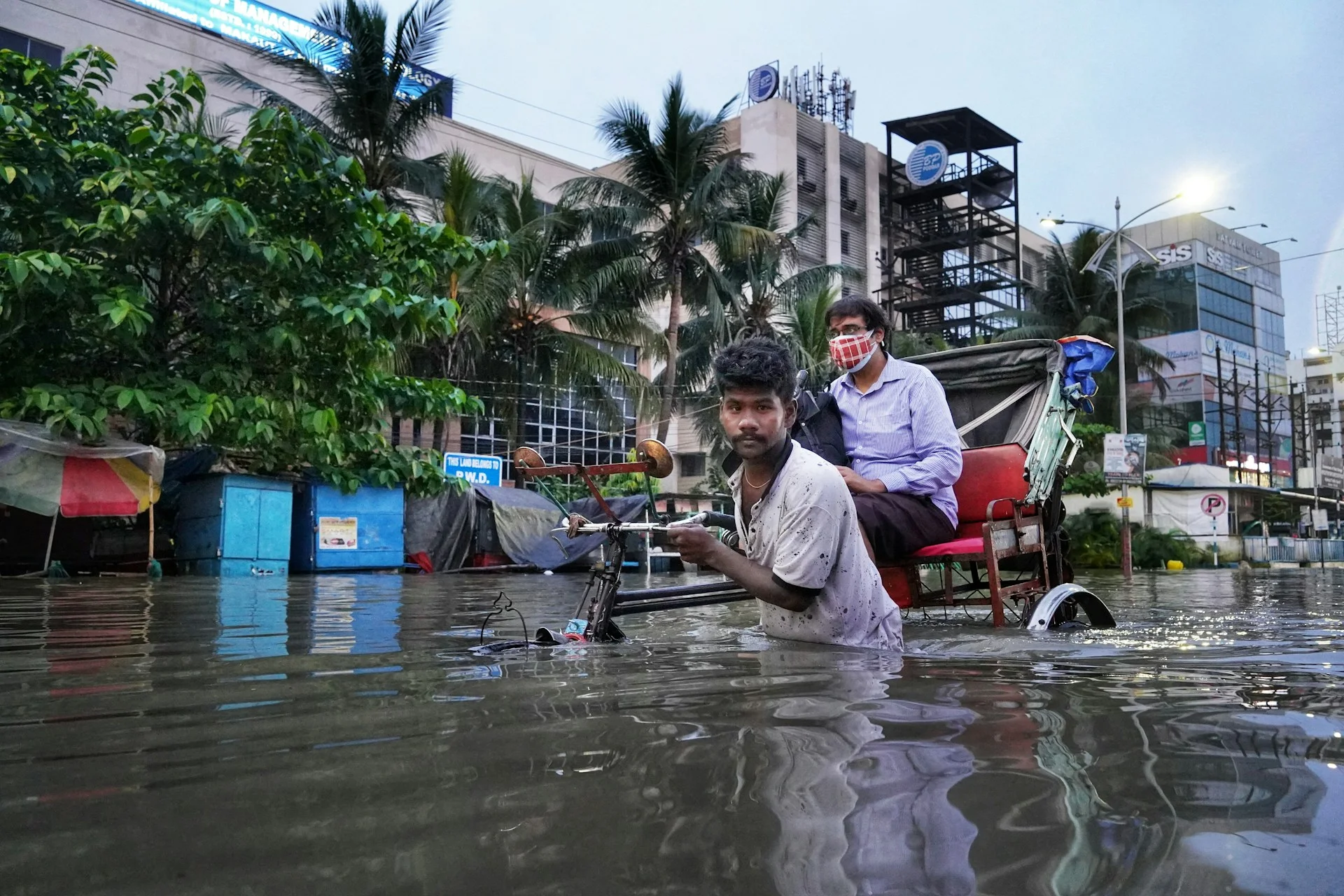
Indian subcontinent has faced devastating floods, cyclones, and heatwaves in recent years. For instance, Cyclone Amphan in 2020 caused damages worth $13.2 billion and affected millions. Striking both India and Bangladesh, Cyclone Amphan resulted in significant losses, including extensive damage to infrastructure and agriculture. Similarly, Pakistan’s severe monsoon seasons often lead to widespread flooding. In 2022, unprecedented rainfall resulted in over 1,700 deaths and displaced millions. With a PPP model, integrating sophisticated private sector models and data could have mitigated the impact through more accurate predictions and timely evacuations. A PPP approach in weather forecasting could enhance early warning systems, allowing for better preparedness and response, thus reducing casualties and economic losses. India, Pakistan, and Bangladesh, highly vulnerable to cyclones and flooding due to their geographical locations, could greatly benefit from such a model.
According to the World Bank, every dollar invested in weather, climate, and hydrological services generates $10 in socioeconomic benefits. Studies have shown that accurate weather forecasting can reduce the economic impact of natural disasters by up to 30%. This highlights the substantial return on investment and the critical importance of adopting a PPP model for weather forecasting. By integrating public and private sector capabilities, countries like India, Pakistan, and Bangladesh can leverage advanced technologies, improve forecasting accuracy, and ultimately enhance their resilience to weather-related disasters. Immediate action in this direction is essential for progress and preparedness in the coming decades.
