

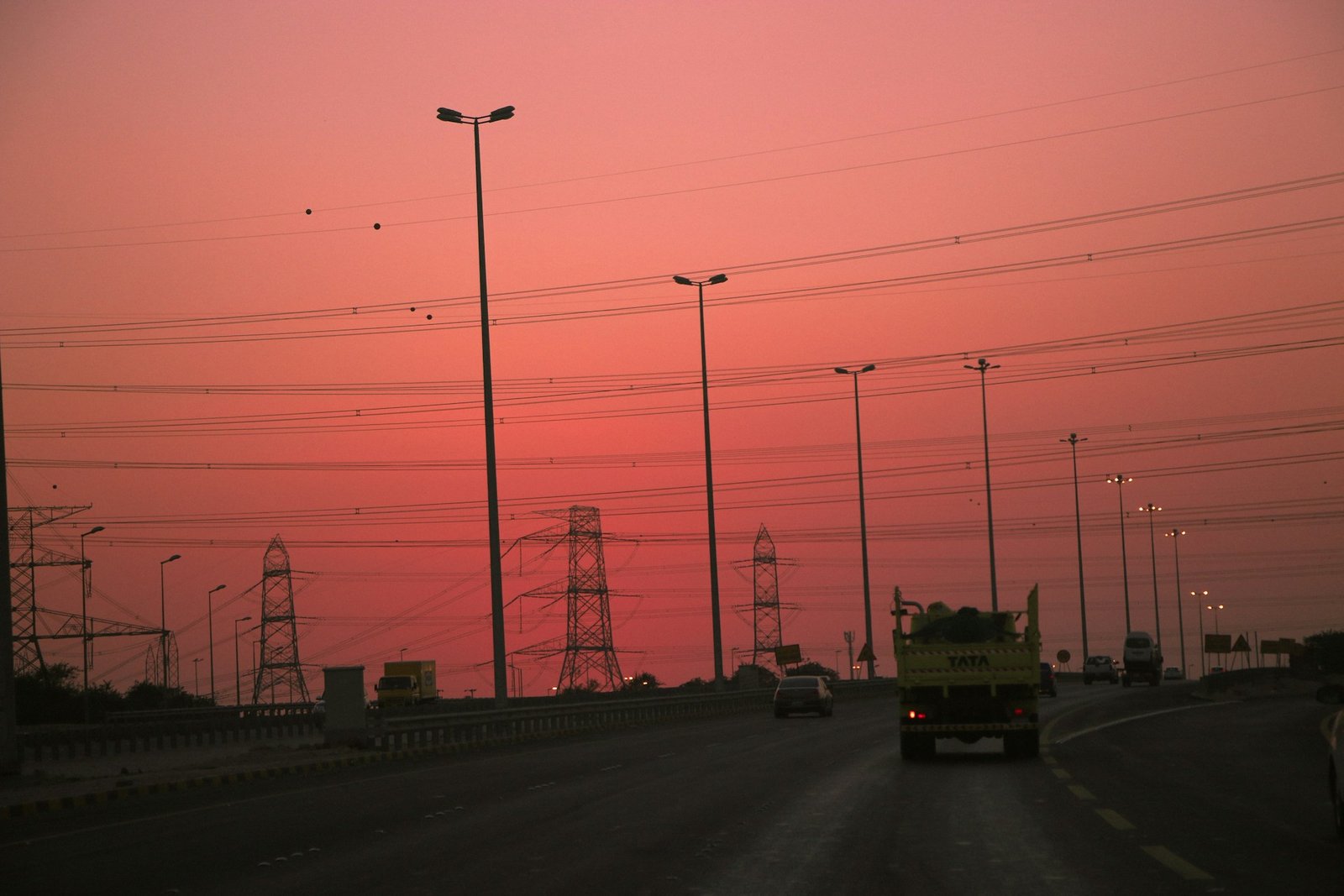
Kuwait PPP energy projects are now the country’s strongest weapon against its escalating power crisis. Rapid population growth and urban expansion are pushing demand higher. Rising temperatures only add to the load. Since last year, the government has implemented planned power cuts to cope. KAPP, the Kuwait Authority for Partnership Projects, aims to change that. Its acting director general, Asmaa Al-Mousa, recently confirmed that a new contract will be awarded within weeks. Under the PPP framework, private partners (foreign, Kuwaiti, or consortiums) hold 26–44% of the project companies. Kuwaiti citizens get 50% of shares, while the government keeps the rest. Goods and services are then sold back to the government. This model reduces the state budget burden and attracts private sector investment in Kuwait. It also creates a shared-interest model between public and private players to drive urgent energy solutions.
The Al-Zour North power plant is the star of Kuwait PPP energy projects. Once operational, it will generate 2.7 gigawatts (GW) of power and 120 million gallons of water daily. Combined-cycle technology will power this massive operation. Construction will take three years. KAPP plans to award contracts for phases two and three very soon. This $3 billion project integrates electricity and water production, a critical combination for Kuwait’s scorching summers. Temperatures often exceed 50°C, increasing demand for air conditioning and water. The Al-Zour plant will strengthen national resilience and improve supply stability. This mega-project demonstrates how private sector investment in Kuwait can deliver essential infrastructure. The government expects faster timelines and better efficiency, thanks to PPP structures. By attracting global expertise and capital, Kuwait aims to reduce pressure on public resources and modernize its energy landscape.
Kuwait’s renewable energy ambitions focus on the Dabdaba and Shagaya PPP energy projects. These projects are among KAPP’s top priorities. Phase one of the Dabdaba project, with a capacity of 1.1 GW, has finished the qualification stage. Phase two aims to add 500 megawatts, with tenders expected before the end of 2025. Today, renewables account for less than 1% of Kuwait’s energy mix. Yet the government targets 15% renewable generation by 2030. Solar and wind projects will play leading roles. By using the PPP model, Kuwait secures private financing and international technical expertise. This reduces government risk and ensures the best technologies are deployed. Like other Gulf nations, Kuwait is moving to diversify its energy sources. These projects show how private sector investment in Kuwait supports the country’s clean energy transition.
Global PPP trends offer important lessons for Kuwait PPP energy projects. Countries like the UAE and Saudi Arabia use PPPs to build renewable megaprojects, achieving faster delivery and cost savings. According to the World Bank, well-designed PPPs can deliver infrastructure 15–20% more efficiently than traditional methods. Kuwait’s energy sector, under pressure from growing demand, can benefit from these advantages. KAPP works to strengthen regulatory frameworks, clarify risk-sharing, and ensure long-term commitment. This shift marks a broad transformation of public service delivery. For Kuwait, blending global PPP best practices with local needs can deliver both resilience and sustainability. With smart planning, these energy projects will pave the way for a stronger and more reliable national grid.
