

The Korea International Cooperation Agency (KOICA) and the Bureau of Manpower, Employment and Training (BMET) have launched a stronger Public-Private Partnership (PPP) to improve skills and jobs in Bangladesh. The signing took place at the Inter-Continental Dhaka with government and business leaders in attendance. This agreement, known as KOICA BMET vocational training, falls under the “Better Employment with Competency-Based Skills Training (BEST)” project. Running from 2018 to 2028, the initiative carries a budget of USD 8.5 million. Its purpose is clear: link industry demand with modern vocational training. The project brings together 13 large companies, 10 SMEs, one national association, and the Bangladesh Engineering Industry Owners Association (BEIOA). Together, they will support training and job creation for young workers in Bangladesh.
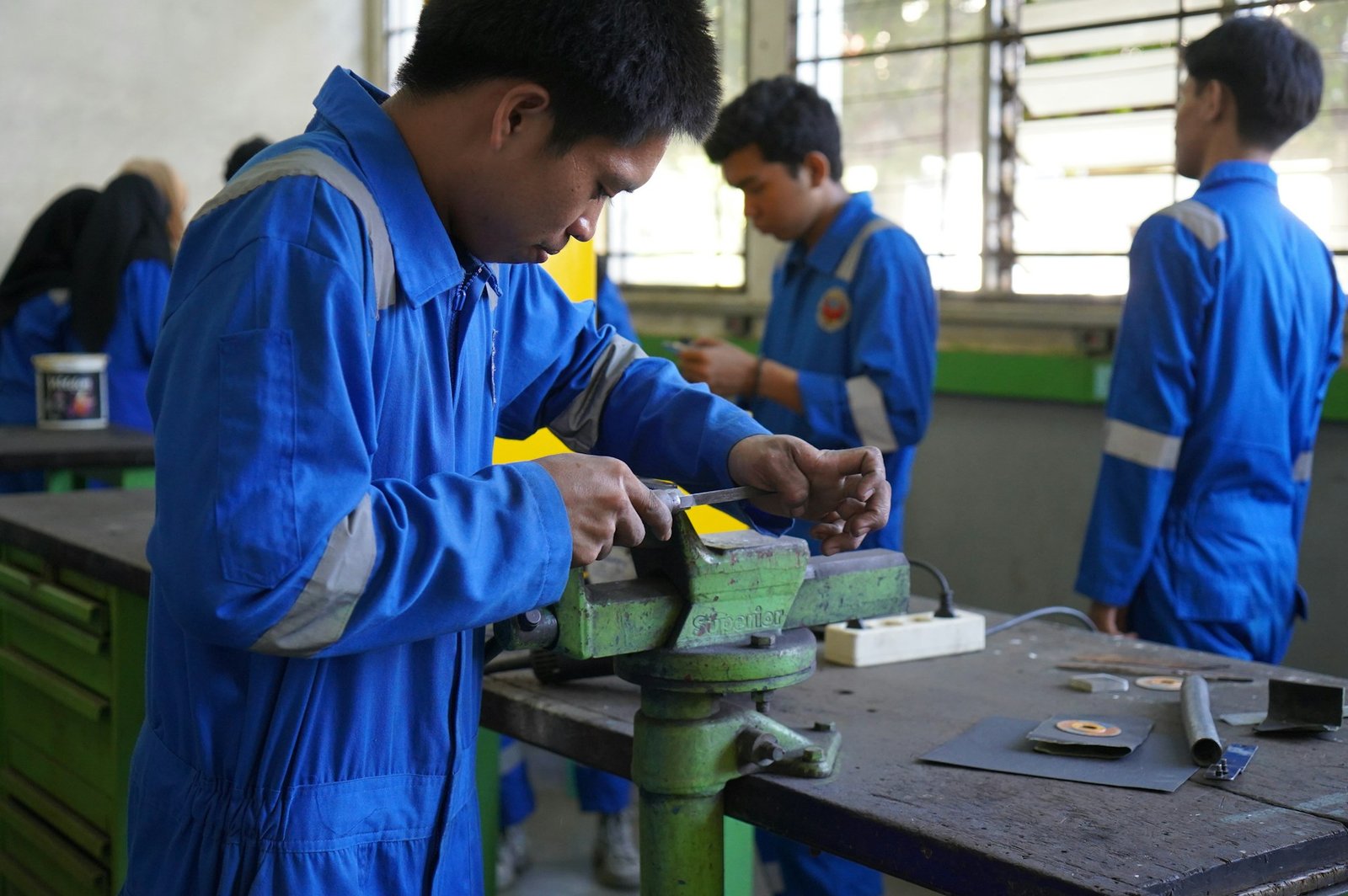
The PPP agreement strengthens direct collaboration between industry and training centers. KOICA aims to create a pipeline of workers who are ready for Bangladesh’s expanding industrial base. The BEST project reforms Technical Training Centres (TTCs) by replacing outdated classroom methods with hands-on training. A major success of this program is the Training-of-Trainers (TOT) scheme. For the first time, vocational trainers in Bangladesh earned National Technical and Vocational Qualification Framework (NTVQF) Level 3–4 certifications. These certifications meet international benchmarks. Trainers now have the skills and recognition to prepare students for high-demand jobs. By improving TTC standards, Bangladesh gains a workforce ready to support both domestic industries and the labor migration sector.
KOICA’s Country Director in Bangladesh, Jihoon Kim, described the partnership as a practical and scalable model. He highlighted how it combines government support, private sector input, and international expertise.
Around the world, PPPs are helping countries close their skills gaps. India, for example, built its National Skill Development Corporation as a PPP to train millions of young professionals. Vietnam and the Philippines also use PPPs in vocational training to strengthen labor exports. Bangladesh is now moving in the same direction. The KOICA-BMET partnership marks the first large-scale effort to involve private companies directly in vocational training. With 2.5 million young people entering the workforce every year, such initiatives are essential. They create sustainable, industry-ready training programs that prepare workers for both local and global job markets.
The partnership between KOICA and BMET proves that PPPs can solve real employment challenges. By combining private sector knowledge with international expertise, Bangladesh is building a system that benefits both workers and industries. This model reflects a global shift where governments no longer act alone in education. Instead, industries work as partners in training. Bangladesh aims to reach middle-income status by 2031. Initiatives like the BEST project move the country closer to that goal. Expanding the PPP model into sectors such as healthcare, ICT, and energy can further accelerate progress. The KOICA BMET vocational training initiative shows that strategic cooperation is not only possible but also vital for inclusive growth.
